27.07.2026 • 0 min leestijd
How to Ride a Motorcycle in the Rain

No matter where you are or what your experience is with motorcycles, riding in wet conditions changes your overall riding experience considerably. Previously safe roads can become more difficult to navigate with the addition of slippery conditions, not to mention the risk of reduced visibility and performance. While wet weather riding does require extra skill, preparation and perception on the road, when managed correctly and effectively, the experience can be both safe and enjoyable. This guide will show you how to ride a motorcycle in the rain safely and comfortably so you can enjoy venturing on the open road any time of year.
Why Riding a Motorcycle in the Rain Is Different
Riding a motorcycle in wet weather presents a different set of challenges compared to other conditions. Visibility decreases considerably in wet weather, and both grip and traction are reduced, increasing the risk of accidents. Here are the main ways that rain can affect motorcycle riding.
Reduced grip and longer braking distances
Grip reduces significantly on the road in wet weather, depending on the type of surface you are riding on. Usually, smoother and well-maintained road surfaces have better grip in the rain compared to rougher ones. Nonetheless, in all cases, extra care must be taken when riding to account for this reduction in grip. For example, slippery conditions mean braking distance can double, forcing you to apply the brakes much sooner than in dry conditions. It also increases the risk of hydroplaning, where water on a road's surface causes tyres to lose their traction. As such, it is essential to take it easy on wet surfaces, accelerating gently and applying brakes early and gradually to come to a safe deceleration.
Visibility challenges for you and other drivers
Rain affects visibility for all vehicles on the road as it blocks light from passing through, greatly reducing viewing distance. Even if you make the effort to increase your visibility on your ride, there is still the chance that another driver may not see you until it is too late. Extra precautions will not only increase your visual perception but also help others to see you more clearly. Try riding in daylight if possible, and avoid severe weather conditions. Make sure your gear is visible, waterproof, and your visor is fog-resistant and not tinted. Ensure your lights are fully working and keep a good distance behind other vehicles in case of emergency stops.
How wet weather affects tyre performance
Tyres are built to handle different road conditions, and how well they perform on the road depends on several factors. The main things to bear in mind when considering tyre performance are the materials used, the design of the tread marks, and the tyre's pressure levels. Many modern tyres use silica-based compounds that improve flexibility and grip on wet surfaces, while deep tread patterns with small cuts are better at dispersing water. Tyre pressure also affects traction, with slightly reduced pressure helping to improve contact with the road. In all, it is important to check tyres before riding to ensure they can handle wet conditions.

Essential Motorcycle Gear for Riding in the Rain
Confirming you have the right gear for riding in the rain is essential if you want to ensure a safe and enjoyable experience. Your gear should keep you dry and comfortable on the road, as well as improve your visibility. Here's what to consider when choosing your motorcycle gear.
Choosing the right motorcycle rain gear
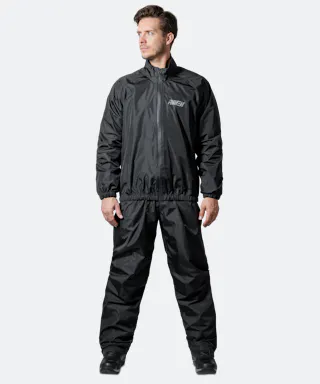
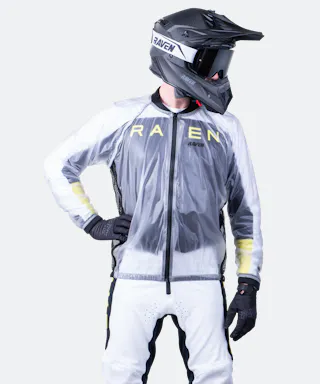
The most important thing to consider when choosing motorcycle rain gear is whether it is fully waterproof. Not only does rain make for an uncomfortable ride, but it can also increase the risk of illness or hypothermia, particularly if riding in winter. In addition, the cold can increase numbness in the hands and feet, reducing your ability to maintain full control of your motorcycle. Other things to consider include thermal liners for extra warmth when riding in the cold, reflective clothing for safety, and anti-fog helmets and visors to protect your sight.
Waterproof jackets, pants and gloves
It is important to invest in good-quality water-resistant motorcycle clothing before you go on your ride. Your jacket, gloves, pants and boots should offer full protection from the rain and be able to prevent any water from entering. The material should be made from a breathable material like Gore-Tex to prevent overheating, and should come with sealed seams and water-resistant zippers for extra waterproofing. Gloves and boots should overlap with the jacket legs and pant legs to ensure water cannot enter through any gaps. In addition, both boots and gloves should be designed to allow for a good grip on wet surfaces.
Visibility gear: high-vis, reflectives and helmet fog control
Just as keeping your body dry during your ride is important for your health and safety, so too is ensuring full visibility at all times. One way to do this is to wear high-vis and reflective gear. Bright, fluorescent colours such as yellow and orange will help you stand out in wet conditions, while reflective elements will catch the light of surrounding vehicles, showing where you are even if the rest of you is obscured. To ensure your own vision isn't impaired while riding, invest in helmets and visors with ventilation or Pinlock anti-fogging inserts. Make sure they are clear and not tinted, as tinting can further reduce visibility in wet conditions.




Preparing Your Motorcycle for Rain
No matter what type of motorcycle you ride, you must always check to see that it is ready for use in wet weather conditions before you ride. From the tyres to the brakes, preparing your motorcycle for rain will help improve your control and manoeuvrability on the road.
Tyre tread depth and tyre pressure
When it comes to wet weather conditions, motorcycle tyres with deep tread depths are best at maintaining grip on the road. Deep channels help remove excess water, while silica compounds help maintain the tyre's flexibility in all conditions. A tread depth of at least 3mm is recommended for riding in wet conditions. Tyre pressure can also affect your grip on the road. Lowering pressure by two PSI can help increase the contact patch and improve your grip. Make sure to keep the pressure within the tyre manufacturer's specifications.
Brake performance checks
Riding a motorcycle in wet weather conditions increases the risk of moisture getting into the brake pads and fluid. Should your brakes become waterlogged, they reduce your braking power, potentially increasing your stopping distance. Therefore, always check brakes regularly for contamination. Gently applying the brakes periodically while stationary can help dry them out. Also, consider applying a waterproof lubricant to the chain to prevent rust from forming.
Lights, indicators and visor maintenance
Your lights are the most important part of your motorcycle when it comes to maintaining visibility on the road. As such, it is vital that you check that all lights are functional before going on a ride. Check your headlights, tail lights, brake lights and indicators to confirm they are working properly, and clean them regularly to keep them working at full glow. Consider using LED bulbs and anti-fog treatment for greater visibility, and keep spare bulbs on hand just in case.

Riding Techniques for Wet Roads
Once you have the right motorcycle gear and have checked that your motorcycle is ready for wet-weather riding, the next thing to consider is what manoeuvres will help you maintain control on the road. Here are some techniques that will keep you safe when riding a motorcycle in the rain.
Smooth throttle control
When riding a motorcycle in the rain, it is important to take everything as smoothly as possible. The grip between the road and your tyres can be easily broken if any sudden actions are taken. Accelerate too suddenly, and you could cause the rear wheel to spin and potentially end up in a slide. So to ensure a smooth and safe journey, apply the throttle gently and gradually during your ride.
How to brake safely in the rain
Braking in wet weather conditions requires a smoother approach than when riding in the dry. When braking on wet surfaces, apply both brakes with gentle pressure, allowing for a gradual stop. Approximately two-thirds of the overall pressure should be applied to the front brakes, with the rest being used on the rear brakes. Keep in mind the stopping distance will be greater in wet weather, so remember to brake early.
Cornering technique on wet surfaces
The key to safely navigating corners and intersections in wet weather is to do so without leaning too much. Avoid braking during cornering. Instead, complete your braking before you enter a corner. Avoid leaning too much, as this can cause your motorcycle to lose traction with the road. Try to keep upright as much as possible. If possible, follow any dry lines on the road, such as the tyre marks of any vehicles ahead, to maintain the best grip on corners.
Avoiding sudden movements and leaning too much
The key to safe riding in wet weather is to take everything as slowly and smoothly as you can. If possible, avoid any sudden actions as these can cause you to lose control of your motorcycle. Leaning too much around corners and intersections can also cause the motorcycle to become unstable. Instead, try to keep the motorcycle as upright as possible while leaning back and maintaining a relaxed posture.
Road Hazards to Watch Out for in the Rain
Wet weather can turn even simple, everyday objects and surfaces into potential road hazards. Metal gratings, painted surfaces and even rain puddles can pose a risk in the rain. Here are some hazards to look out for.
Painted lines and metal surfaces
Painted road markings, while fine when the sun is out, can become much more slippery in the rain. This is also a risk for metal surfaces such as gratings, railway tracks and manhole covers. Where possible, it is recommended that you avoid such surfaces when riding a motorcycle in the rain. If avoiding them is not possible, cross them in a perpendicular direction slowly and in an upright position.
Puddles and hydroplaning risk
While seemingly non-threatening to the average driver, for motorcycle riders, puddles present a unique hazard. Not only can they hide hidden obstacles such as debris, but the water can also cause hydroplaning, where the tyres lose contact with the road's surface. To avoid loss of control, if any puddles you spot are unavoidable, go over them slowly and in a steady, upright position.
Diesel spills and oily patches
Oil spills on the road are a hazard at the best of times. In wet weather, the risk is increased as they may be obscured by wet road surfaces. Just as with other hazards, take it slow, assess any risk factors, and if they’re unavoidable, take it slow and steady.

Tips for Staying Visible to Other Drivers
Even at the best of times, predicting the actions of other drivers is impossible. When visibility is low, one mistake could prove fatal. To ensure that drivers can see and react to your presence when riding a motorcycle in the rain, try the following.
Proper lane positioning
For best visibility, it is a good idea to position yourself where you can best see past the vehicle in front of you. This will usually be closest to the centre of the lane you are in. Keep a good distance between yourself and the vehicle ahead, and keep scanning ahead in case of approaching hazards. Make sure you are always riding in a position where other vehicles can easily see you and react if necessary, especially when overtaking and passing parked vehicles.
Using lights and reflective equipment
To counteract the reduction in visibility when riding in wet weather, the use of lights is important. Make sure all lights are in good working order by testing them out before riding. Use low beams wherever possible, as high beams can blind incoming vehicles. Use high-vis and reflective gear wherever possible, as this will help you show up more easily in the rain.
What to Do After Riding in the Rain
Having completed a motorcycle ride in wet weather safely and without incident, your bike and riding gear are likely to be covered in water and grime. To prevent water damage from harming your vehicle, consider these maintenance tips.
Drying your gear
If left untreated, wet motorcycle gear can become mouldy and deteriorate over time. The best way to clean them is to use warm water, a mild soap and a damp cloth. Avoid using harsh detergents that could damage the materials. Hang the gear to dry in room temperature conditions and avoid the use of artificial heating sources. When cleaning your helmet and visor, use a specialised helmet cleaner and a soft cloth. For gloves, make sure to dry both the exterior and interior by turning them inside out.
Cleaning and lubricating your chain
If left untreated, wet motorcycle chains can succumb to rust and grime, potentially weakening them until they loosen or break. Chains should be cleaned with soap and water after every wet-weather ride to remove any buildup of dirt and grime, then wiped down with a soft cloth. They should also be coated with a waterproof lubricant to prevent rusting.
Checking brakes and tyres again
Water can get into your brakes and cause them to become less effective. Test your brakes after your ride to ensure no moisture has gotten into the pads or fluid, and replace them if necessary. Periodically apply the brakes while stationary to remove any excess fluid. Check tyres as well for any wear and tear. Make sure pressure is maintained at the manufacturer's specifications and replace tyres if the tread wear indicators are visible.
Wet Weather Riding: Closing Tips
Learning how to ride a motorcycle in the rain need not be stressful, so long as you keep the following tips in mind:
Adjust your riding technique during wet weather. Take it slow and steady, and keep upright whenever possible.
Be aware of reduced visibility. Keep your vision clear with ventilated and anti-fog visors and helmets. Also use lights, high-vis gear and reflective elements so other drivers can spot you easily.
Be aware that water can affect your grip on the road. Use tyres with a deep tread depth for wet weather driving, and avoid slippery surfaces such as metal, paint and oil slicks where possible.
Wear gear that is both warm and waterproof. This will not only keep you comfortable and dry during your ride but will also reduce the risk of illness and numbness.
Check your motorcycle before and after every ride. Check brakes, tyres and lights to ensure they are in working order before travelling in wet weather.
Keep a good distance between yourself and other vehicles in case you need to stop. If you need to stop, apply the brakes gradually and softly. Avoid sudden manoeuvres.


